driving range practice routine
Effective Golf Range Practice Routines and Skill Development Tips
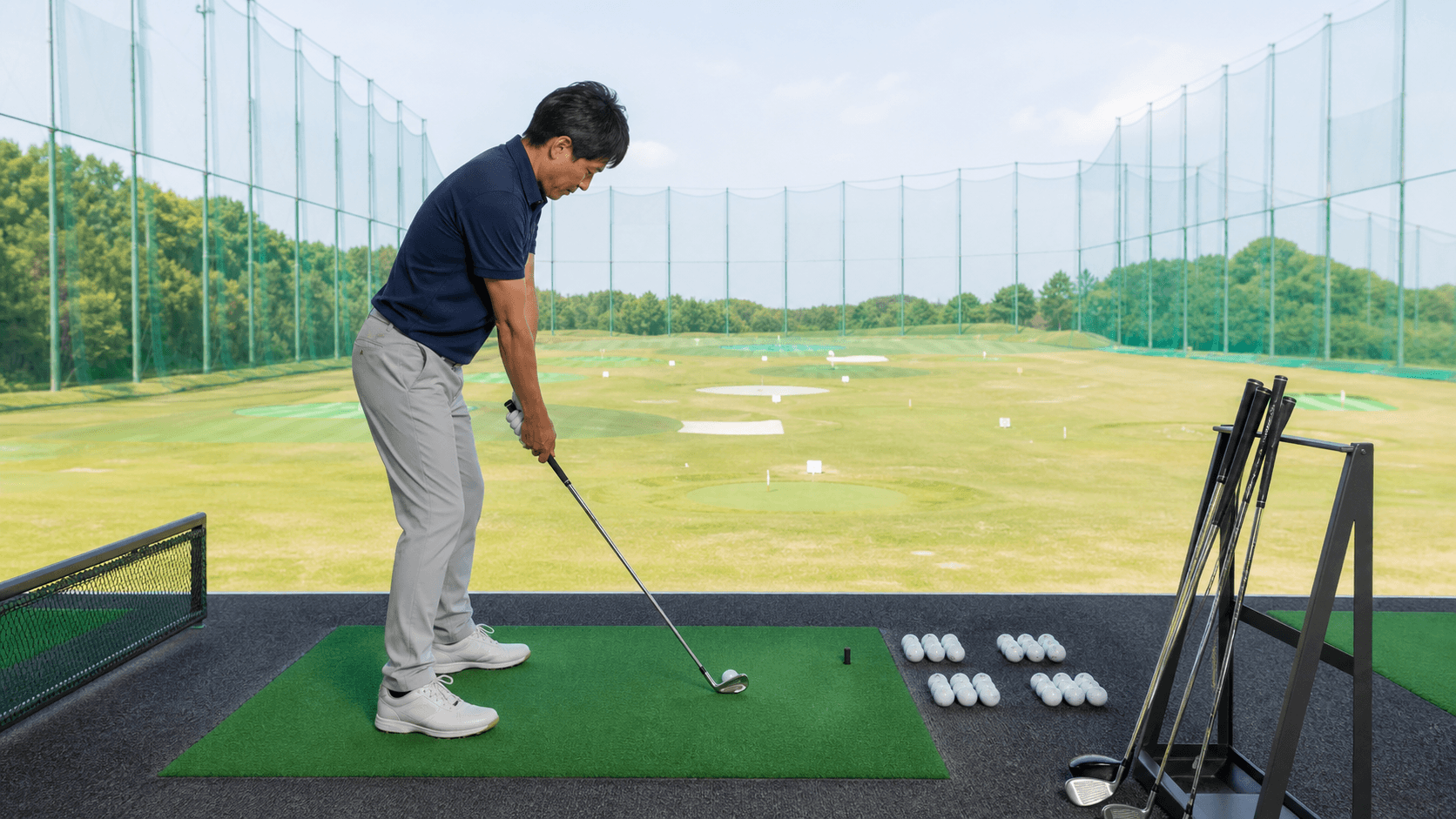
You can build an effective practice routine by defining a clear objective for each session and combining repetition with objective analysis of your results. Simply hitting balls without a specific focus is rarely effective, so ensure you set a goal before you start and review your performance afterward. Start by identifying one specific area of your game to address and select drills that directly target that issue. For those needing help organizing their goals, practice logs, and swing video analysis in one place, the beta web app Golf Practice Coach is available for use in your browser.
How should I begin my driving range session?
Dedicate the first 15 minutes to proper warm-ups and practice swings to make the most of your time at the range. Instead of immediately hitting full shots, gradually acclimate your body and check your swing feel for the day to reduce injury risks and sharpen your focus.
- Spend five minutes loosening your shoulders and hips using a foam roller or towel.
- Hit 20 half-shots with a sand wedge, focusing on striking the center of the face.
- Perform 10 practice swings in front of a mirror to verify your top-of-backswing position.
- Place alignment sticks at your feet to ensure your setup is properly aimed at your target.
What are the keys to building an effective practice menu?
Mix short game shots and approaches into your routine rather than relying solely on full-swing practice. Rather than hitting the same club repeatedly, swapping clubs and resetting your setup between every shot helps cultivate a feel that translates better to the golf course.
- Allocate 30 of your 100 practice balls specifically for approach shots of varying distances.
- Hit 10 balls with a 7-iron, then work your way through your bag one club at a time.
- Alternate between hitting straight shots, draws, and fades to simulate different ball flights.
- Step away from the mat after every single shot to re-verify your target before resetting.
How can I measure my progress and improve?
Rely on objective data like swing footage and practice logs instead of just your physical sensation. Reviewing swing paths from recorded videos makes it easier to identify specific movements for correction and turn them into concrete goals for your next session.
- Use a tripod to record five total swing videos from both face-on and down-the-line views.
- Note the success rate of the day's drills at the end of each practice session.
- Stop training immediately if you feel any discomfort or pain.
- Review past logs weekly to compare distance consistency and common miss patterns.
Frequently asked questions
How many balls should I hit in a typical session?
Aim for a session length of one to one-and-a-half hours, keeping your total volume between 100 and 150 balls to maintain concentration. The quality of your practice is improved by prioritizing the purpose of each shot and the accuracy of your setup rather than the total ball count.
Is it okay to repeat the same routine every time?
Routine movements are fine for basic technique, but you should adjust the content as your skills progress. Once your foundational swing is established, adding situational practice like uneven lies or distance control drills will lead to more effective results.
Features related to this guide
Related guides
Effective Ways to Track Your Golf Practice Sessions
Tracking your golf practice is vital for improvement. Learn which metrics to record, how to keep consistent, and how to use data to refine your game.
How to Record and Analyze Your Golf Swing for Better Practice
Record your swing from behind the target line and directly from the front at waist height to gain the clearest view of your swing path and alignment.
Golf Round Review: How to Turn Mistakes Into Better Practice
Discover a systematic approach to turning your last round's mistakes into effective practice sessions. Learn how to track performance and improve scores.
This guide was prepared and reviewed by Golf Practice Coach 編集部 before publication. It is not a substitute for medical advice or measurements from dedicated equipment.